
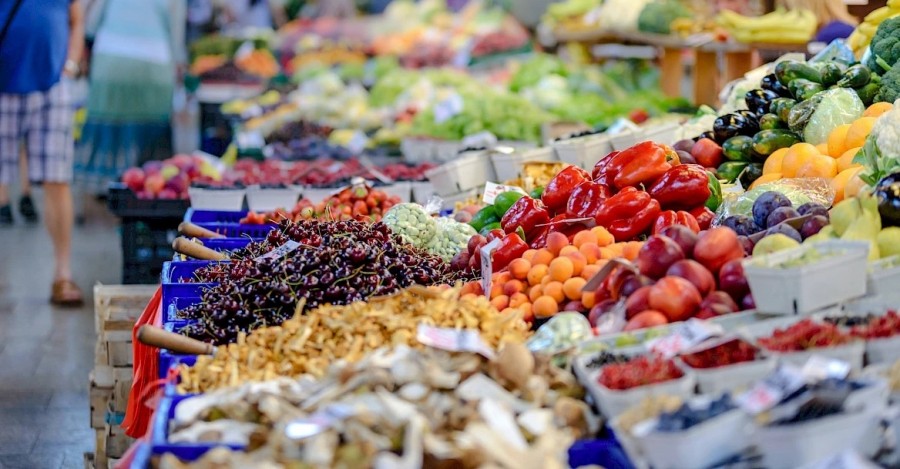
There is something deeply satisfying about a holiday that feeds you well — not just at a restaurant table, but from the very soil of the place you are visiting. Cyprus is a Mediterranean island where food is not an afterthought; it is a way of life. The locals have been cultivating the same groves, vineyards, and market gardens for generations, and when you visit the island's open-air markets, you are stepping into that story.
Whether you are staying in a luxury villa in Paphos or unwinding near the wild coast of Polis, the island's markets are one of the most rewarding — and most overlooked — experiences a visitor can have. This guide will walk you through the best of them, tell you what to buy and when, and leave you with a simple halloumi recipe you can cook back at the villa tonight.
The Best Local Markets in Paphos
Paphos Municipal Market (Agora)
Right in the heart of Kato Paphos, the covered Municipal Market is the place to start. Open Monday to Saturday, it brings together local farmers, butchers, fishmongers, and herb sellers under one roof. The atmosphere is unhurried, the prices are honest, and the produce is as fresh as it gets.
Look out for local sellers stacking sun-ripened tomatoes, bunches of fresh coriander, and jars of thyme honey harvested from the hills around Paphos. In the early morning, before the tourist day begins, you will often find elderly Cypriot women selling homemade village bread, dried figs, and preserves from their own gardens. These are the real finds.
What to buy: Village tomatoes, local olive oil, thyme honey, fresh herbs, halloumi from small dairies.
Where: Agoras Street, Kato Paphos
Opening times: Monday to Saturday, approximately 6am–2pm
Paphos Saturday Street Market (Laiki Agora)
The weekly street market — known locally as the laiki — takes place every Saturday morning and is where the majority of Paphos residents do their weekly shop. It stretches along several streets and mixes fresh produce stalls with clothing, household goods, and spice sellers.
For food lovers, the produce section is the main event. You will find seasonal fruit and vegetables, locally grown nuts, fresh eggs, and vendors who sell nothing but one or two things they have grown themselves. These are the ones to seek out.
What to buy: Seasonal fruit, village potatoes, citrus, fresh almonds (in spring), olives in brine.
Where: Various streets near the old town centre, Paphos
When: Every Saturday, approximately 6am–1pm
The Best Local Markets in Polis
Polis Municipal Market
Polis Chrysochous — or simply Polis — is a small, unhurried town in the north-west of the Paphos district, close to the Akamas Peninsula and the fishing village of Latchi. Its scale is part of its charm. The town square hosts a small but excellent produce market where local farmers bring down whatever is in season from the surrounding hillside villages.
The area around Polis is particularly fertile and benefits from the freshwater springs of the Chrysochou Valley. The produce here — especially the citrus, courgettes, and herbs — is exceptional. You are also within easy reach of Latchi harbour, where you can pick up freshly caught sea bream, sea bass, and red mullet from the morning boats.
What to buy: Citrus fruit, seasonal vegetables, fresh fish from nearby Latchi, local carob syrup.
Where: Polis town square, Polis Chrysochous
When: Check locally — typically mornings, two to three times per week
What Seasonal Produce to Look For
One of the joys of buying from Cypriot markets is that the produce genuinely follows the seasons. Here is what to look for throughout the year:
Spring (March–May): Fresh almonds in their green shells, wild asparagus, strawberries, and the first courgette flowers. Artichokes are also in season and wonderful grilled with lemon and olive oil.
Summer (June–August): Watermelons, figs, peaches, and the famous Paphos bananas. These small, intensely sweet bananas are a variety grown uniquely along the coastal areas of the Paphos district — they are shorter and plumper than the imported variety, with a richer, almost honey-like flavour. You will find them at the laiki from late spring onwards and they are not to be missed.
Autumn (September–November): Pomegranates, grapes, quinces, and carobs. The carob tree — Ceratonia siliqua — has been cultivated in Cyprus for centuries. The dark, sweet pods were historically known as "black gold" and were a significant Cypriot export. Today you will find carob syrup (a rich, treacle-like condiment), carob flour, and carob-based sweets at markets across the island. A jar of carob syrup drizzled over Greek yoghurt is one of the finest things you can eat on a Cypriot morning.
Winter (December–February): Citrus comes into its peak — oranges, mandarins, lemons, and grapefruit. Paphos oranges are particularly sweet, and the lemon trees that grow in almost every Cypriot garden are loaded with fruit throughout the cooler months.
A Simple Three-Ingredient Halloumi Recipe to Try at the Villa
No visit to Cyprus is complete without cooking with halloumi. The squeaky, slightly salty cheese is made from a mixture of sheep's and goat's milk, and the best versions come from small local dairies — look for fresh halloumi at market stalls rather than the vacuum-packed supermarket variety. It is noticeably softer, milkier, and less salty.
This recipe needs nothing more than three ingredients and a hot pan. It is perfect for a lazy villa lunch.
Grilled Halloumi with Honey and Thyme
Serves: 2 | Prep time: 5 minutes | Cooking time: 6 minutes
Ingredients:
- 250g fresh Cypriot halloumi, sliced 1cm thick
- 2 tablespoons local Cypriot thyme honey
- 4–5 sprigs of fresh thyme (or a generous pinch of dried thyme)
Method:
Heat a non-stick griddle pan or heavy frying pan over a high heat until very hot — do not add any oil. Place the halloumi slices flat in the pan and leave them undisturbed for two to three minutes until a golden crust forms. Flip and repeat on the other side.
While the halloumi is still in the pan, drizzle the honey directly over the slices and scatter the thyme on top. The honey will bubble and caramelise in the heat. Remove immediately and serve on a warm plate, spooning over any honey left in the pan.
Eat straight away with warm village bread to mop up the juices. A glass of chilled local Xynisteri white wine alongside would not go amiss.
Make the Most of It
The best approach to market shopping in Cyprus is an unhurried one. Go early, when the stalls are fully stocked and the sellers are in good spirits. Bring a bag, bring cash (many smaller vendors do not take cards), and do not be afraid to taste before you buy — it is expected and welcomed.
If you are staying at one of our villas in the Paphos or Polis area, the market is genuinely close by and well worth building into your week. Cooking even one simple meal with ingredients bought that morning — halloumi from a local dairy, tomatoes still warm from the vine, honey from the hills above town — is one of the small things that makes a villa holiday in Cyprus feel like something more than just a break.
It feels, for a few moments at least, like living here.
Staying in Cyprus and looking for the perfect base to explore? Browse our collection of luxury holiday villas in Paphos and villas near Polis, all with private pools and fully equipped kitchens — ready for your market haul.